


Kyoto was the second stop on my trip around Japan in June 2024, after a few days in Osaka and before Mount Fuji and Tokyo. I had three days there with my Ricoh GR III, and I split my time between the famous sights at the quiet ends of the day and the everyday streets in between.
Kyoto rewards an early alarm. By mid morning the old lanes of Higashiyama are shoulder to shoulder, but first thing you can have them almost to yourself. These are my favourite photos from three days in Kyoto, from the torii gates of Fushimi Inari at night to the Golden Pavilion.
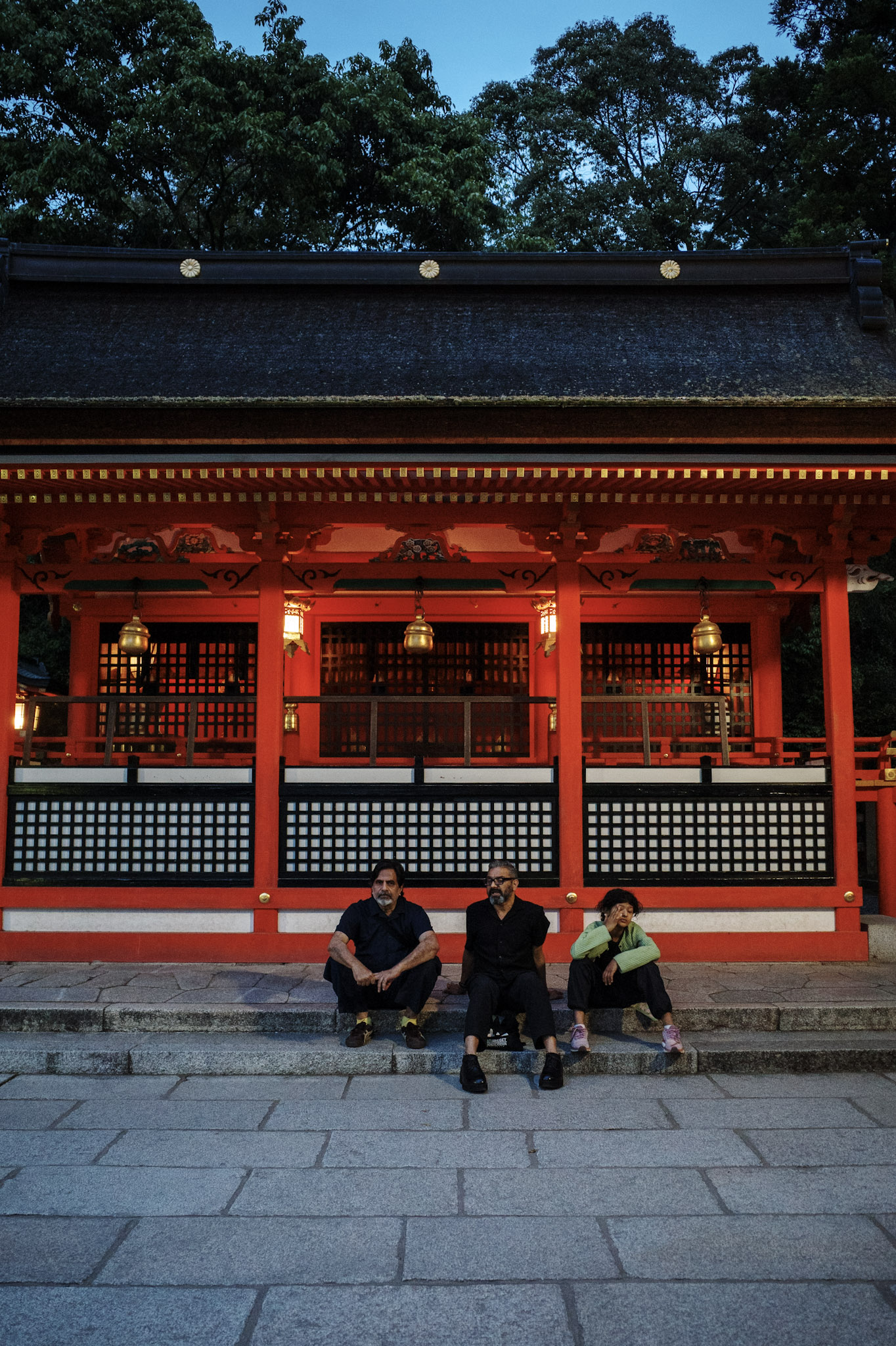
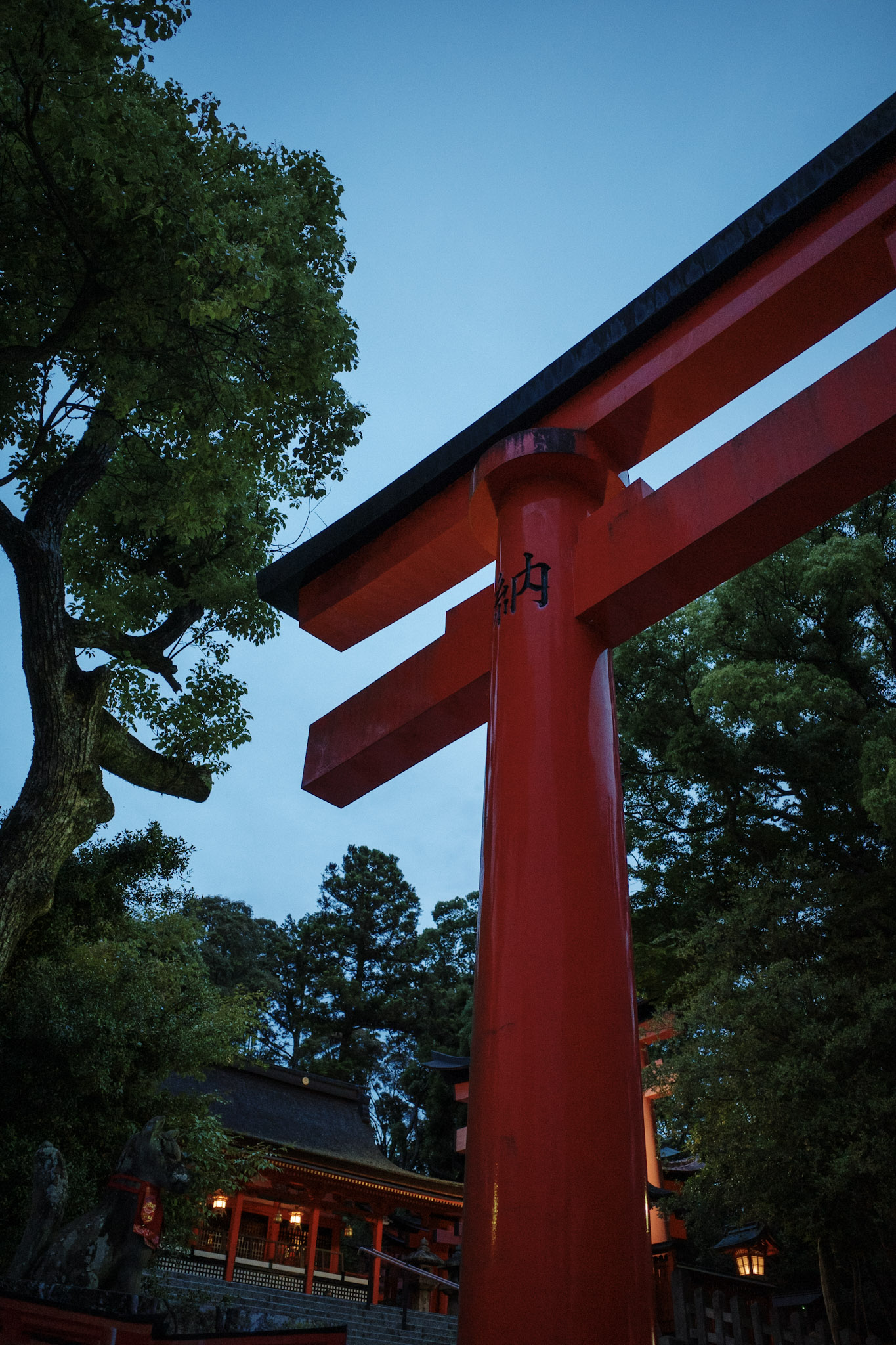
Fushimi Inari After Dark
Fushimi Inari is famous for its thousands of red torii gates winding up the mountain behind the shrine. By day it is one of the busiest places in Kyoto. It never closes, though, so I went in the evening, when the crowds thin out, the lanterns come on and the gates glow against the night sky.

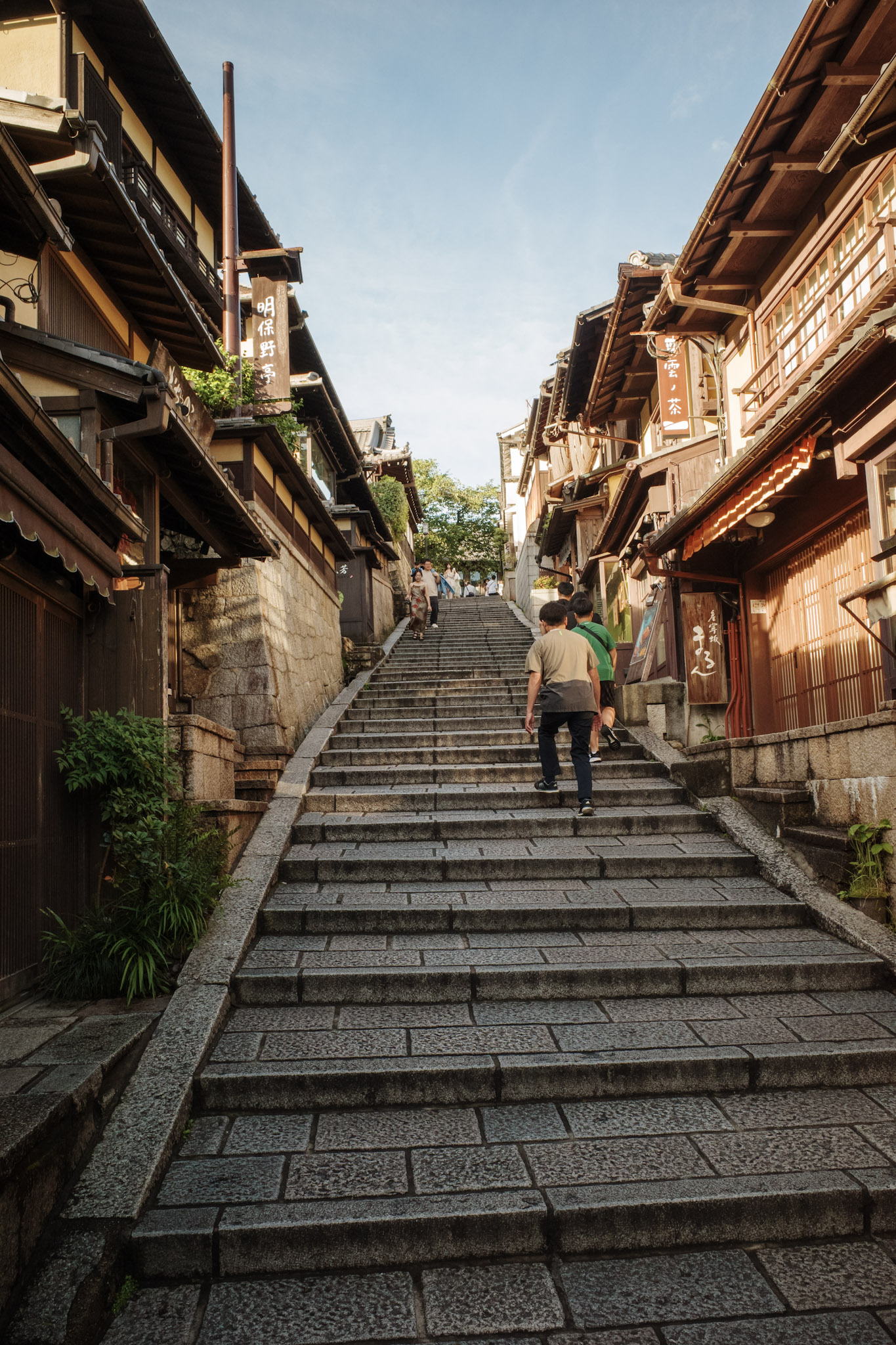
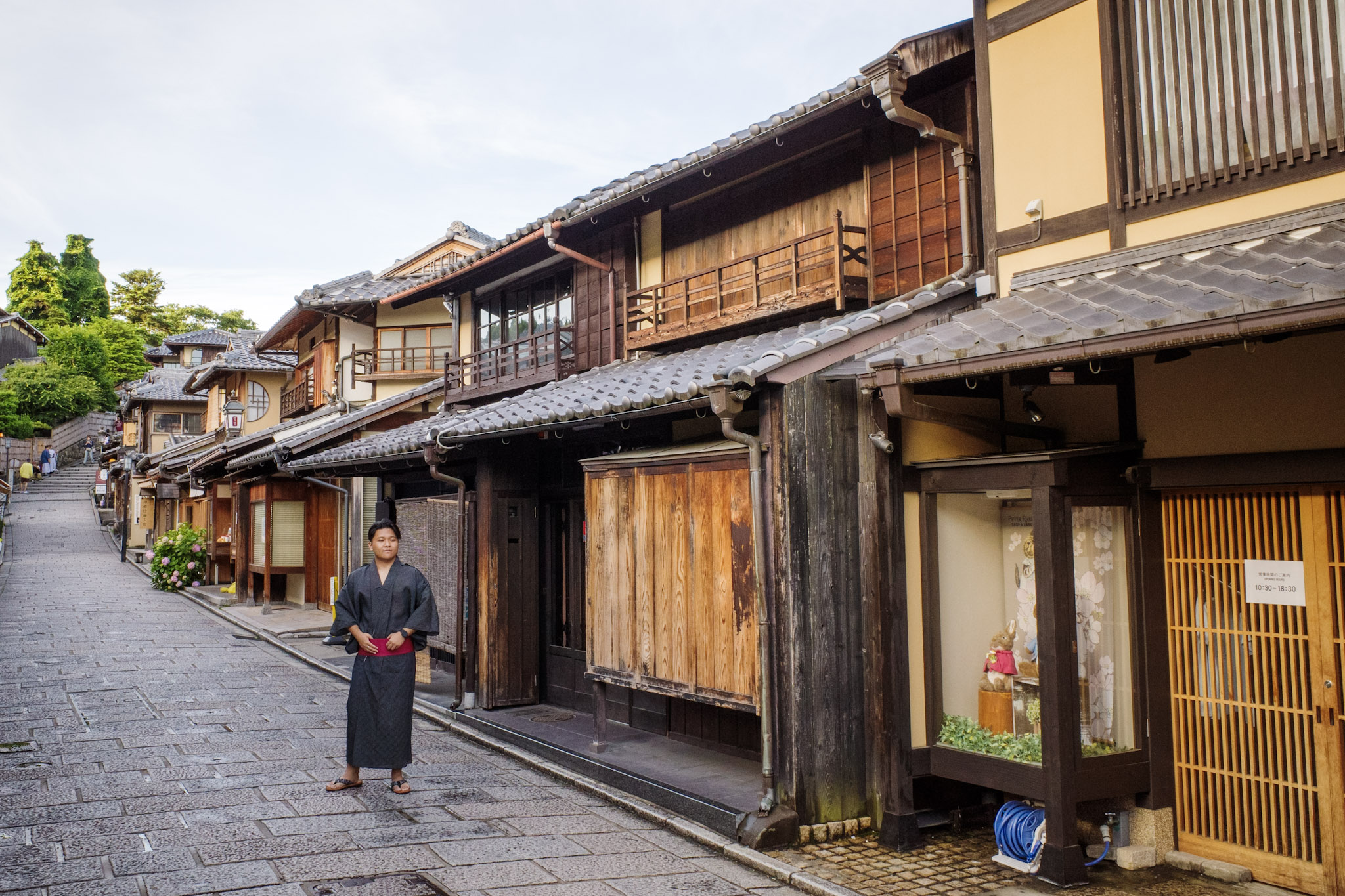
Higashiyama in the Early Morning
Higashiyama is Kyoto as you imagine it: stone paved lanes, wooden townhouses and the five storey Yasaka Pagoda rising above the rooftops. I was out early and had the slopes of Ninenzaka and Sannenzaka almost to myself, long before the shops opened.


Kiyomizu-dera
A short climb up from Higashiyama brings you to Kiyomizu-dera, one of Kyoto’s best known temples. Its huge wooden stage juts out over the hillside, and the bright vermilion gates and three storey pagoda stand out against the green of the trees. Get there early and the view across the city is worth the walk on its own.


Nishiki Market
Nishiki Market is a long, narrow covered street of food stalls in the middle of the city, known locally as Kyoto’s Kitchen. Seafood, pickles, tempura and sweets are squeezed into tiny shopfronts, with giant signs fighting for your attention overhead. It is a brilliant place for close, colourful street photography.


Kyoto at Night
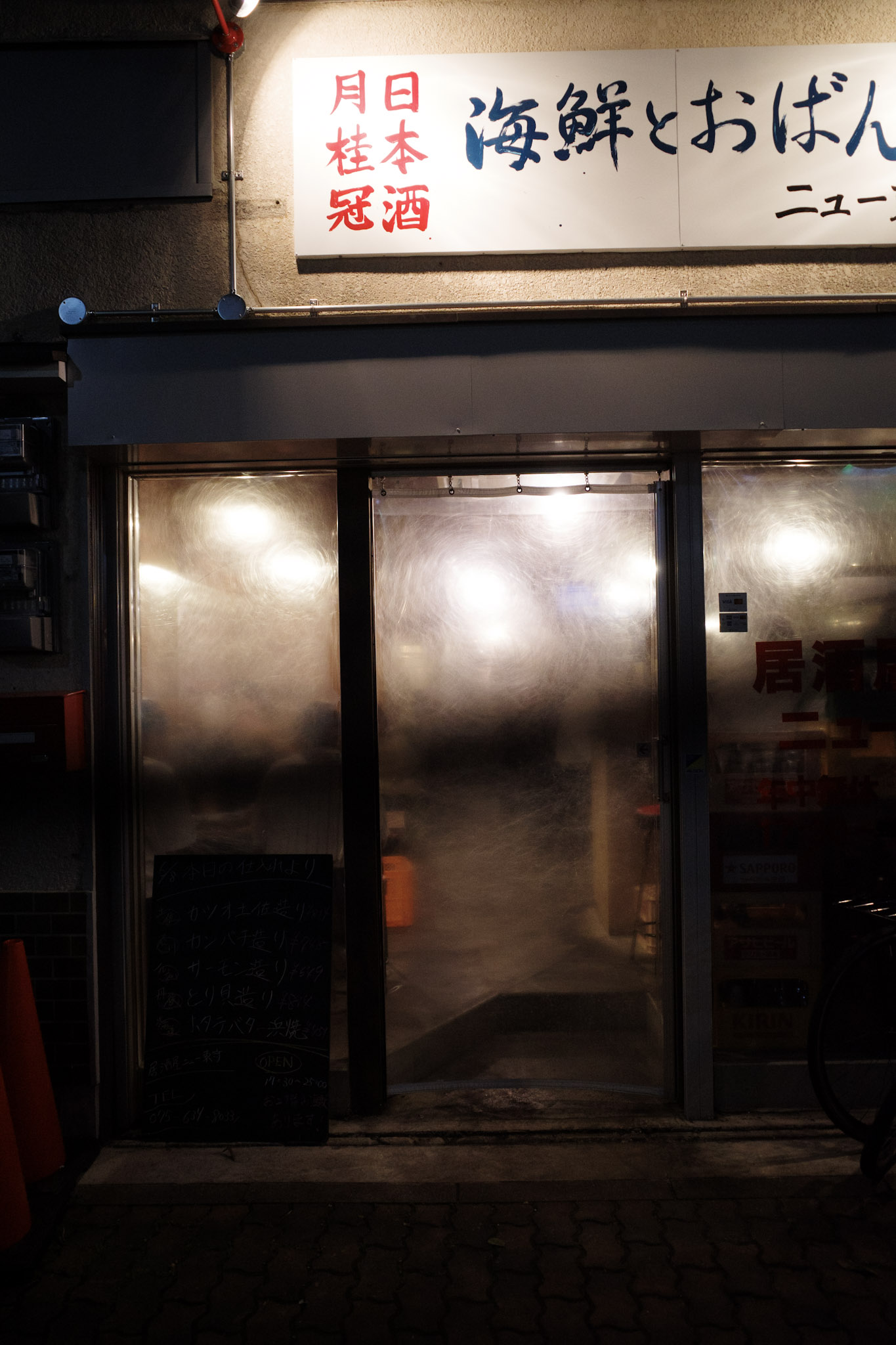
Kyoto is quieter than Tokyo after dark, but it has its own glow. Kyoto Tower lights up above the station, and the side streets fill with the warm light of small restaurants, their lanterns and signs spilling out onto the pavement.

Kinkaku-ji, the Golden Pavilion
I finished my time in Kyoto at Kinkaku-ji, the Zen temple covered in gold leaf that sits on the edge of a still pond. Even on a grey June day it almost glows. The path around the grounds is one way, so take your time at the first viewpoint, where you get the reflection in the water.

Tips for Street Photography in Kyoto
- Set an Early Alarm: Higashiyama and Kiyomizu-dera are at their best before the tour groups arrive, so aim to be out before 8am.
- Visit Fushimi Inari in the Evening: The shrine is open around the clock and far calmer after dark, with the lanterns lit.
- Walk Between the Sights: Some of the best photos are in the ordinary streets between the famous spots, so walk rather than hop between them.
- Respect Private Lanes: Parts of Gion now ban photography on private lanes, and geiko and maiko should never be followed for a photo.
- Travel Light: A small, quiet camera like the Ricoh GR III or GR IIIx lets you work in busy temples and narrow markets without getting in anyone’s way.
Planning Three Days in Kyoto
Kyoto was the capital of Japan for more than a thousand years, and it is home to well over a thousand temples and shrines, along with traditional wooden townhouses, tea houses and gardens. You can read more about its long history on Wikipedia.
With three days in Kyoto you can see the main sights without rushing. The thousands of orange torii gates at Fushimi Inari are best very early or after dark, and Higashiyama is at its most atmospheric at sunrise before the shops open.
The buses are the main way around the city, but they get crowded, so it is worth combining them with the trains and walking. A rechargeable travel card works on almost all of them.
More from Japan
Kyoto was one part of a longer trip around Japan. Before it I spent four days in Osaka, with a morning at Osaka Castle, and from here I headed to Mount Fuji for a morning at the Chureito Pagoda, then on to Tokyo at street level. If you are staying in Osaka or Kyoto, a day trip to Nara is easy to fit in, and the deer alone are worth the journey.
You can find every post from the trip in the Japan section. If you would like one of these photographs as a print, get in touch.
