


SoHo was one of the first places I explored on my first full day in New York in November 2024, and I went back when I returned in October 2026. The cobbled streets and grand cast iron buildings make it one of the most photogenic corners of Manhattan, especially when the low sun cuts between the blocks.
Cast Iron Streets
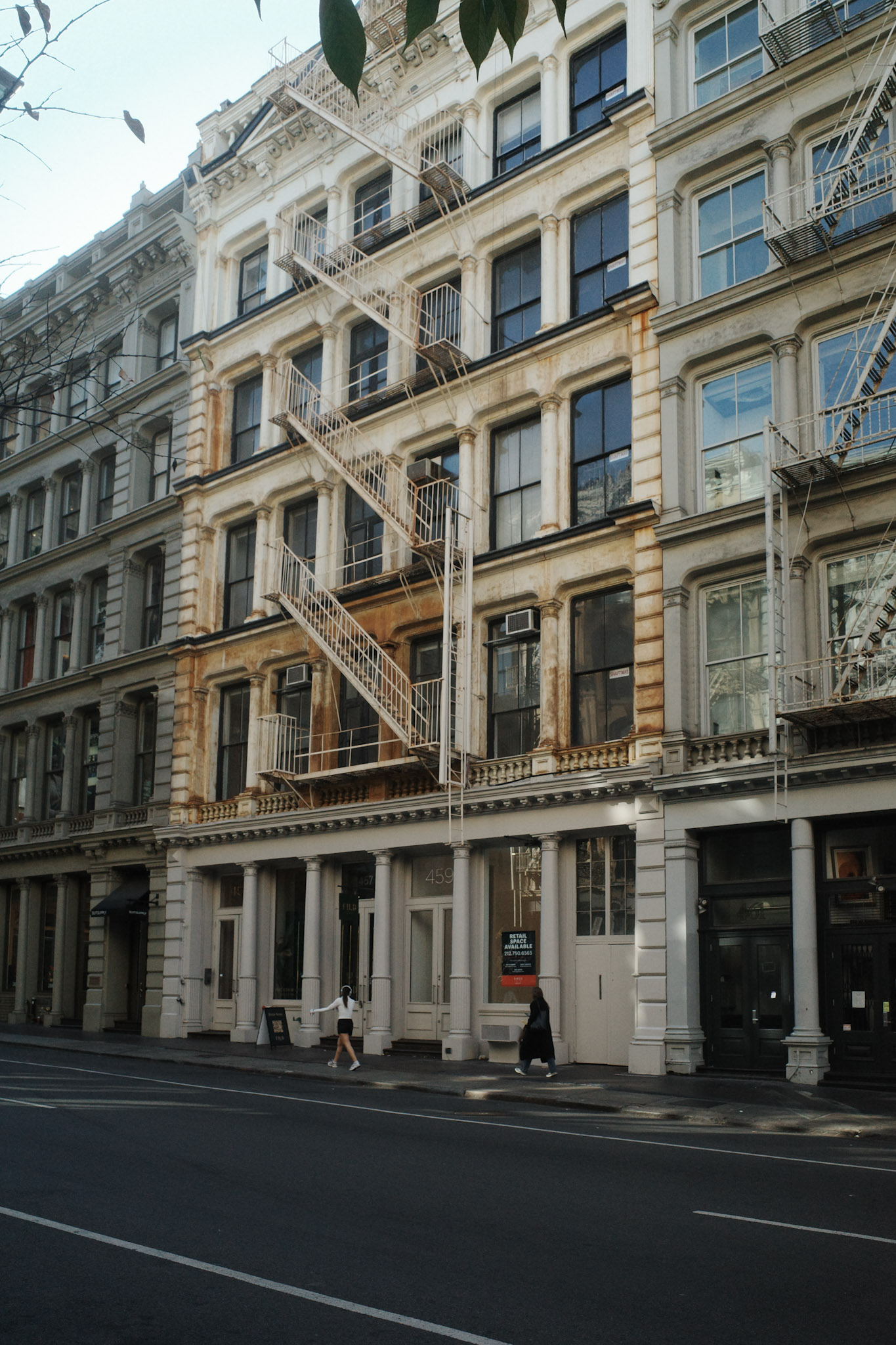
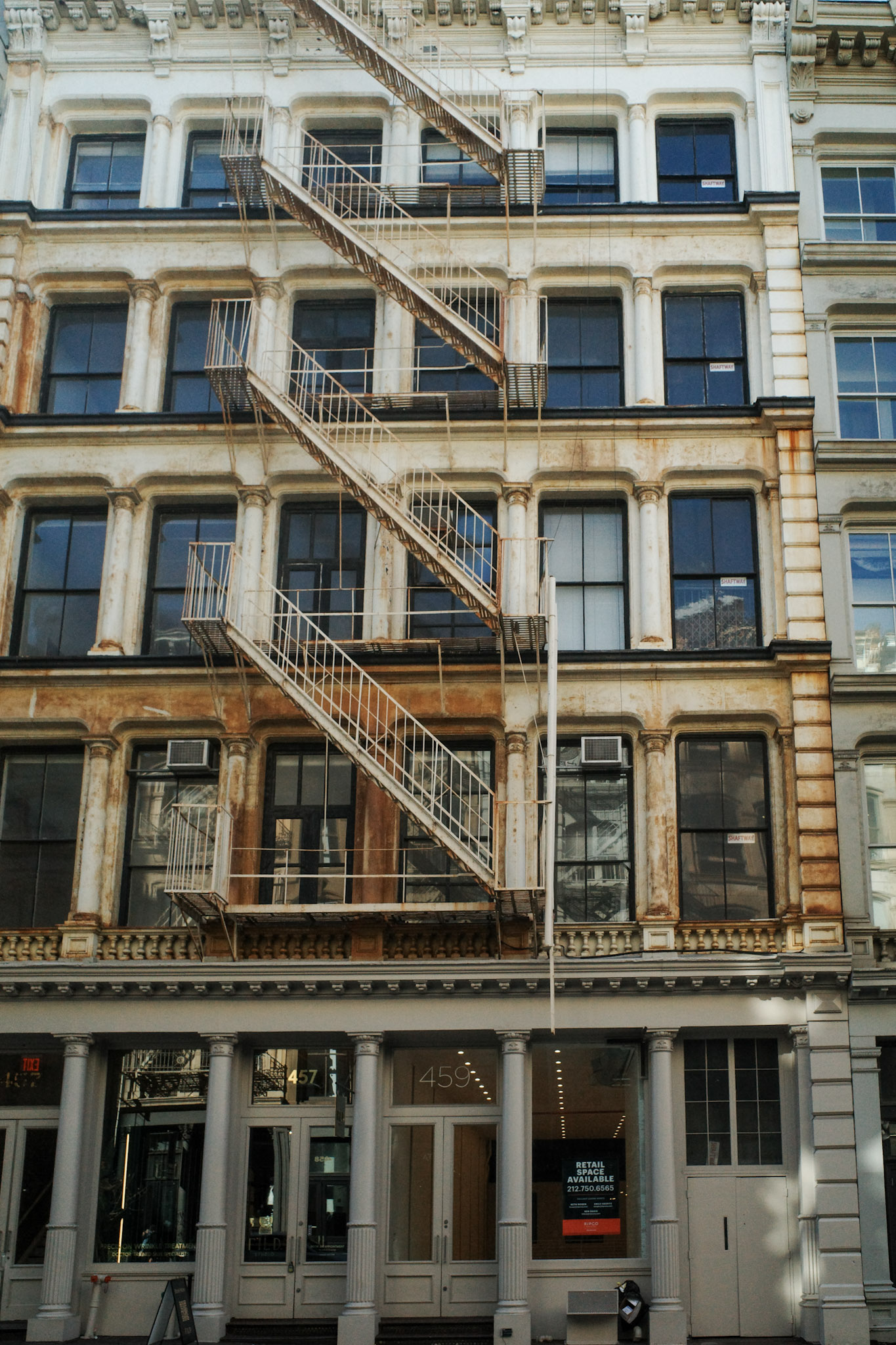
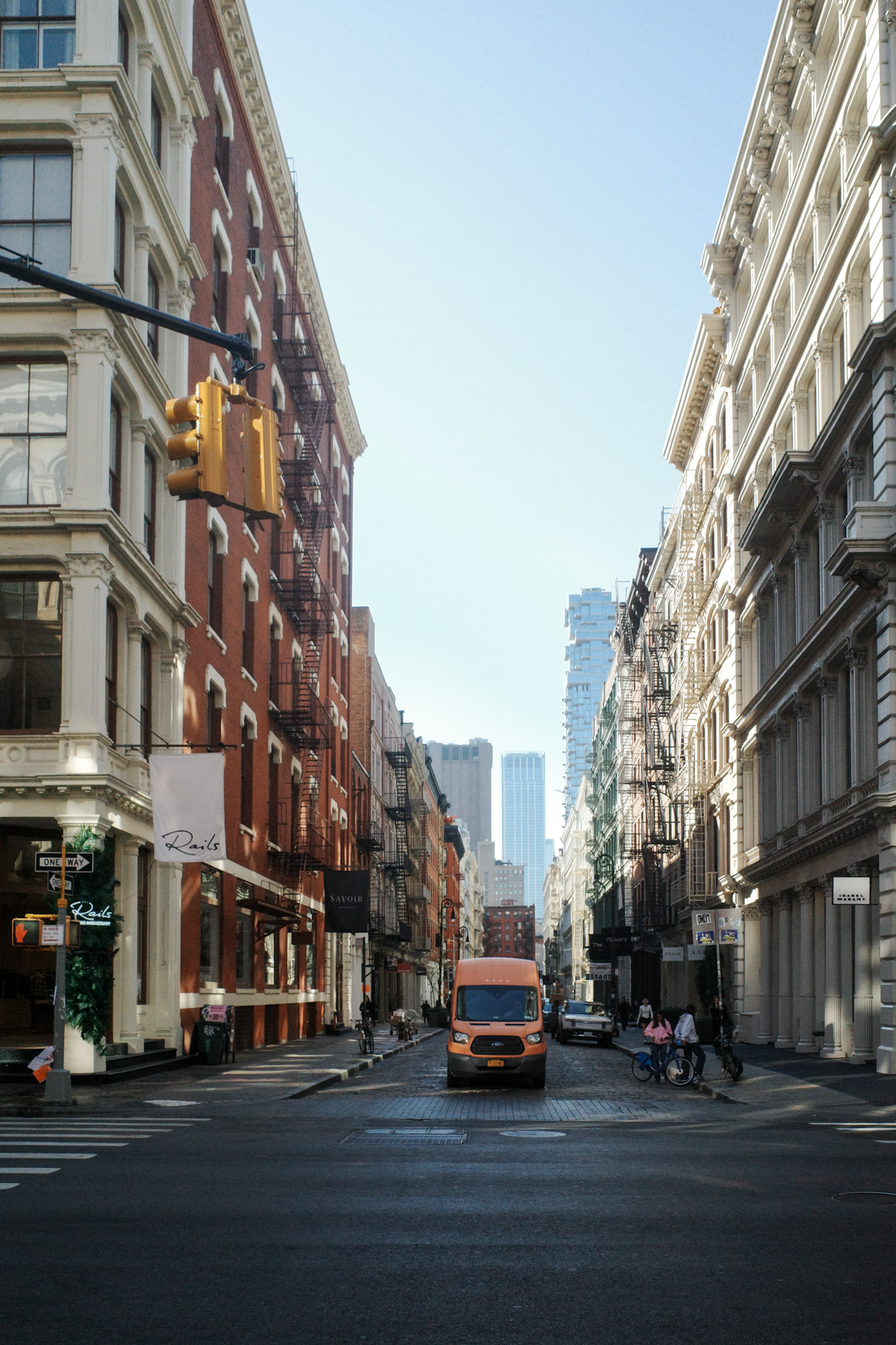
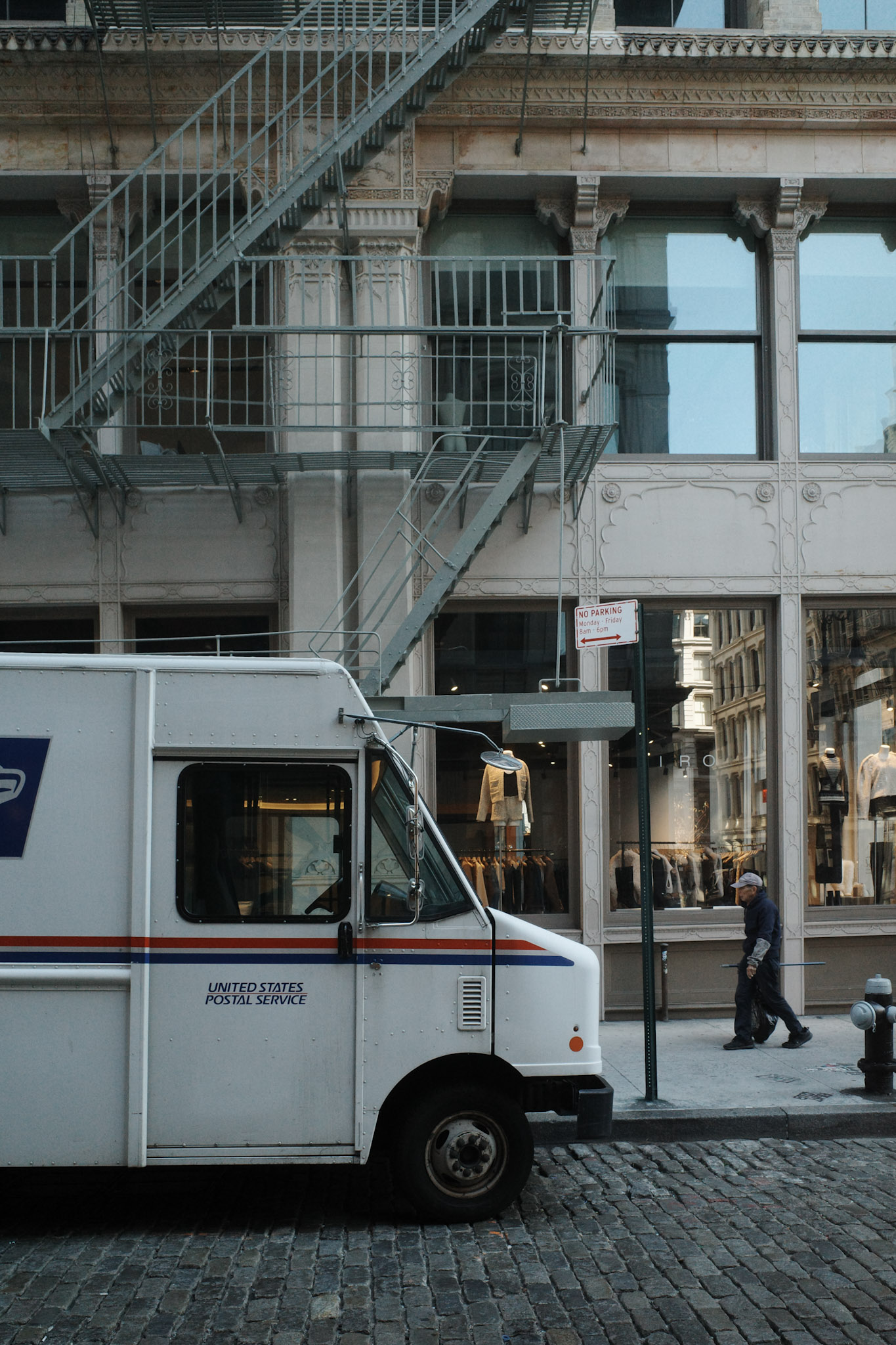
SoHo has the largest collection of cast iron architecture in the world, and the facades are a gift for photographers. Columns, arched windows and zigzagging fire escapes repeat all the way down the block.
Life on the Street


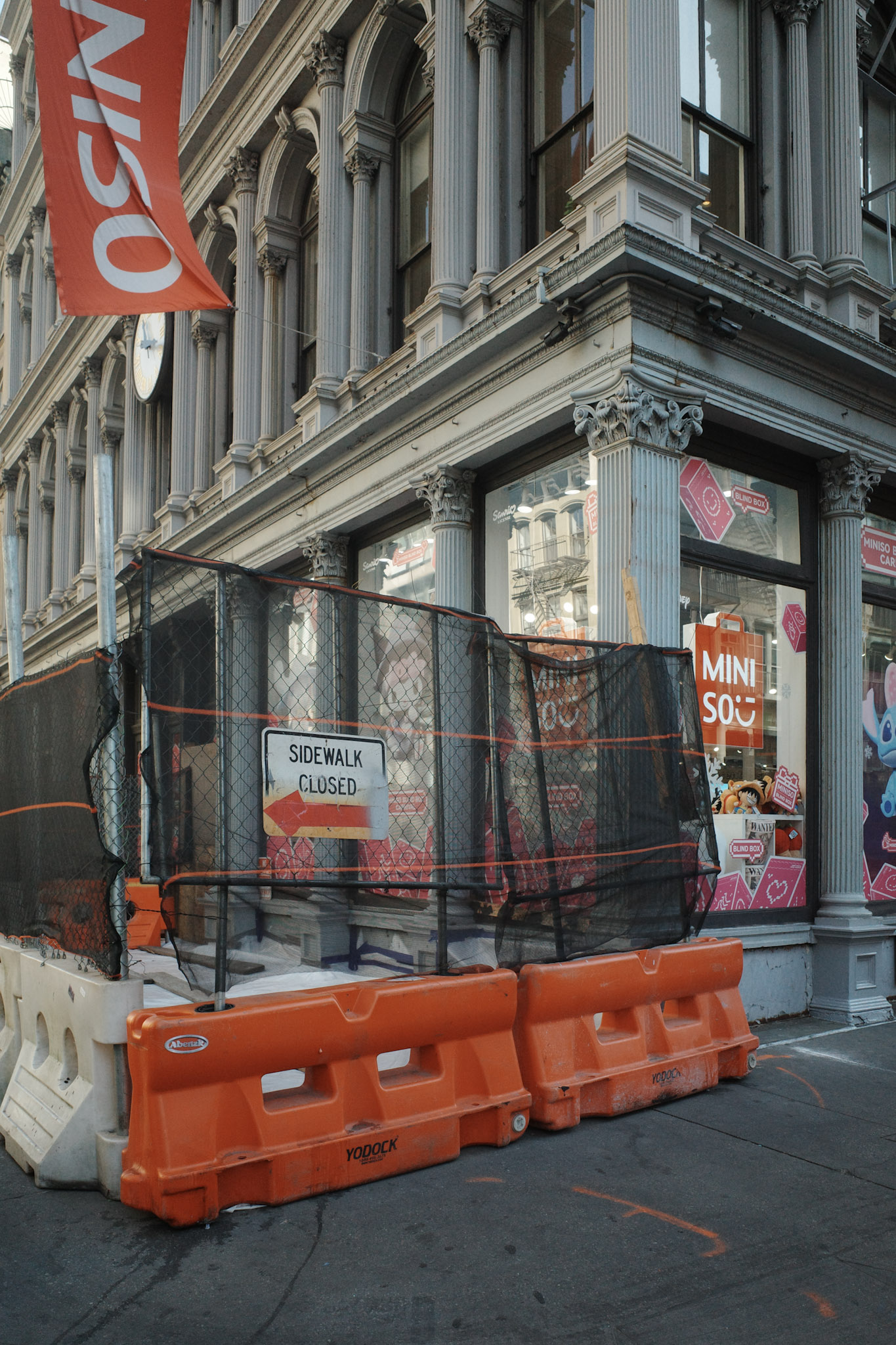
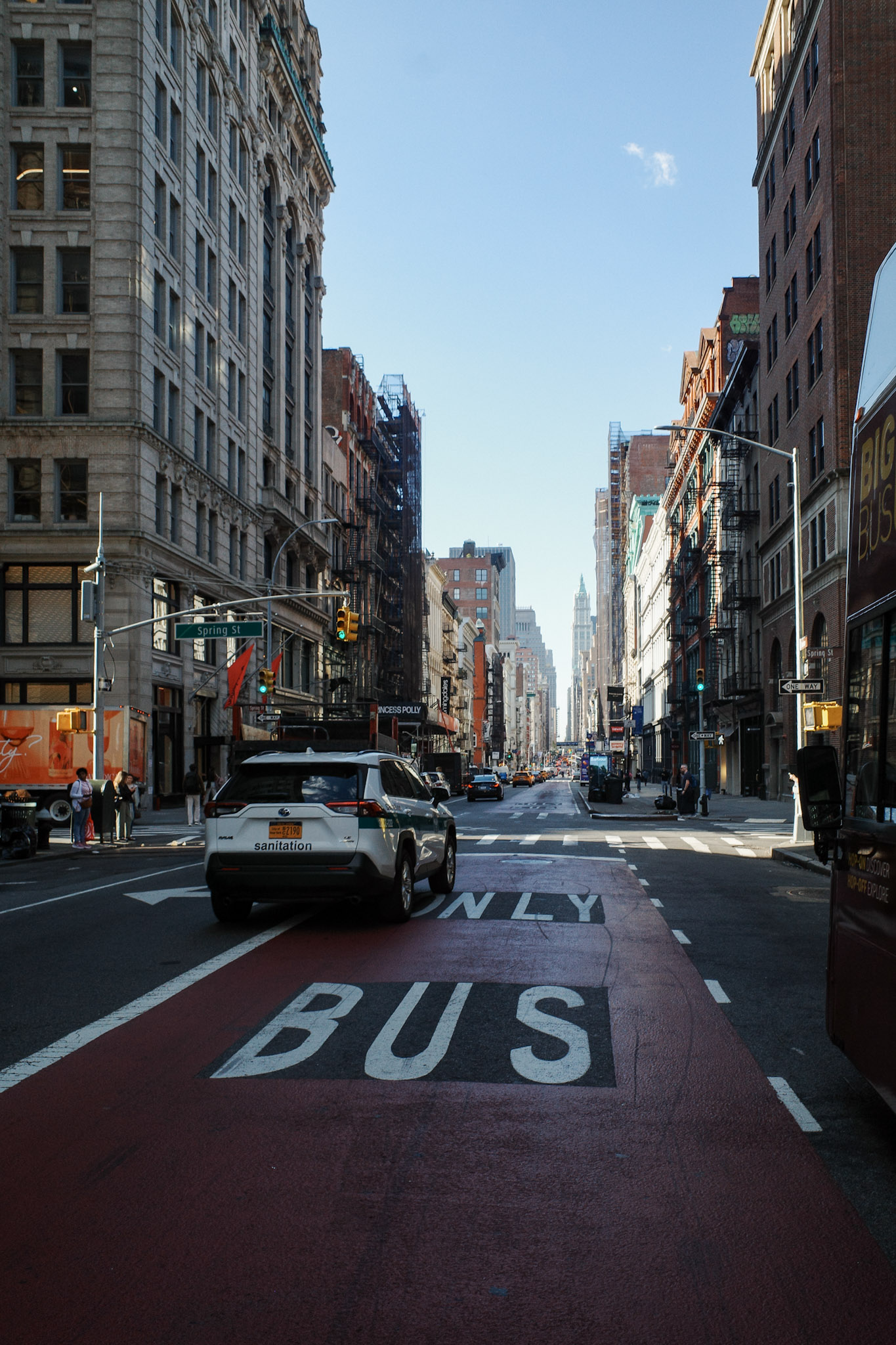

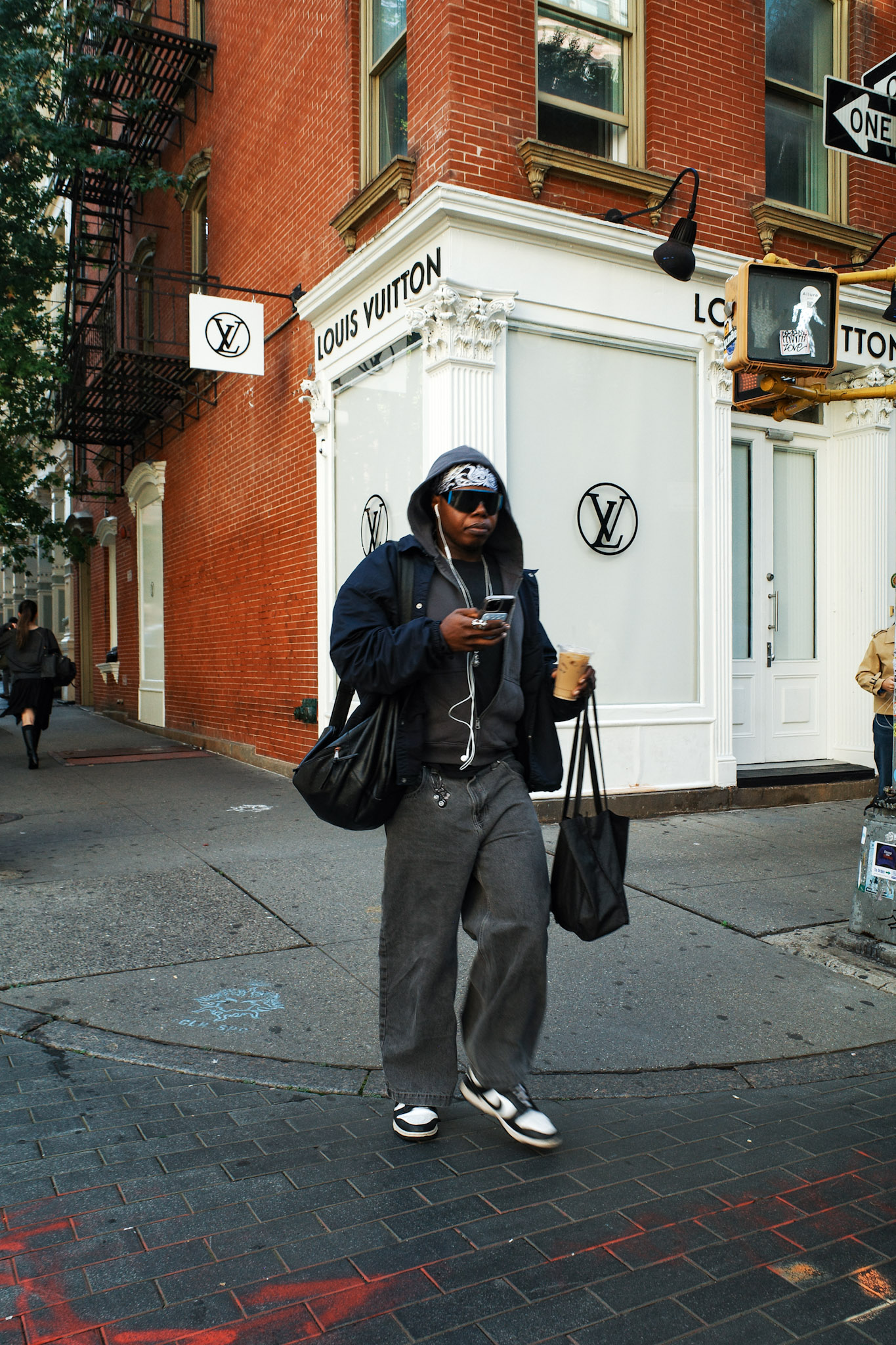
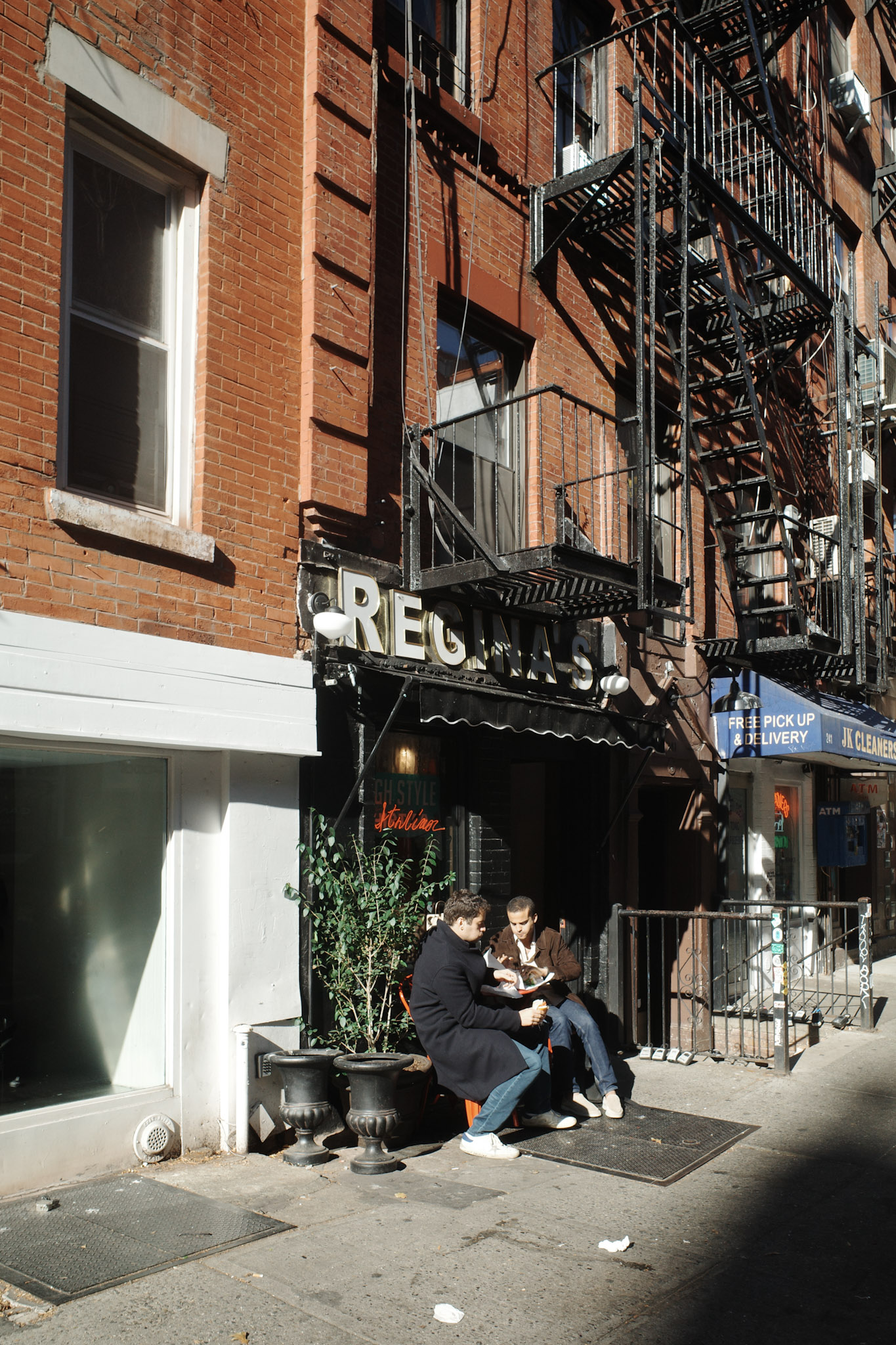
Between the boutiques the streets are full of life, from fire engines swinging round corners to sports cars parked outside designer stores and people pausing in pools of sunlight on the pavement.
Light and Shadow
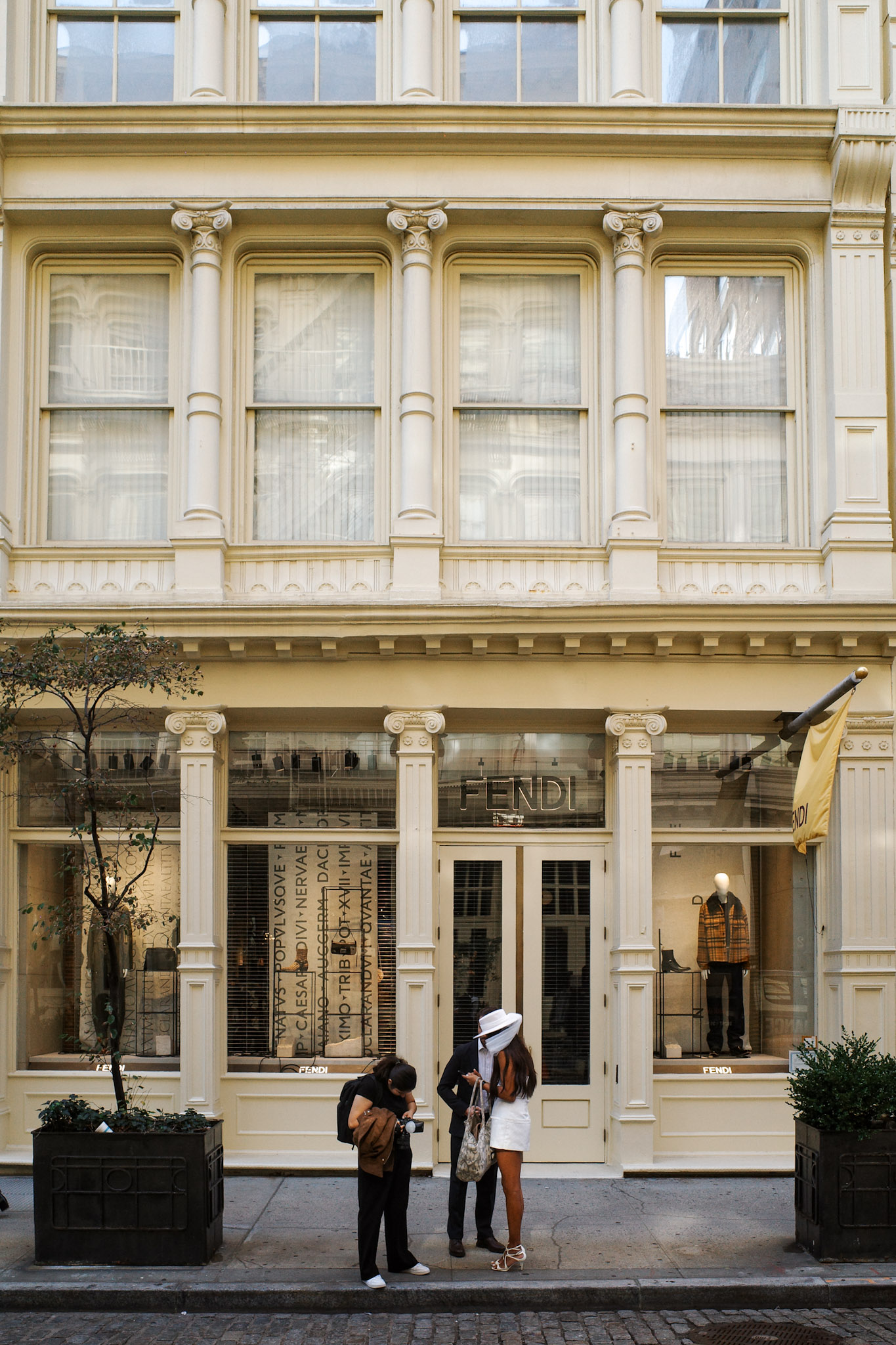
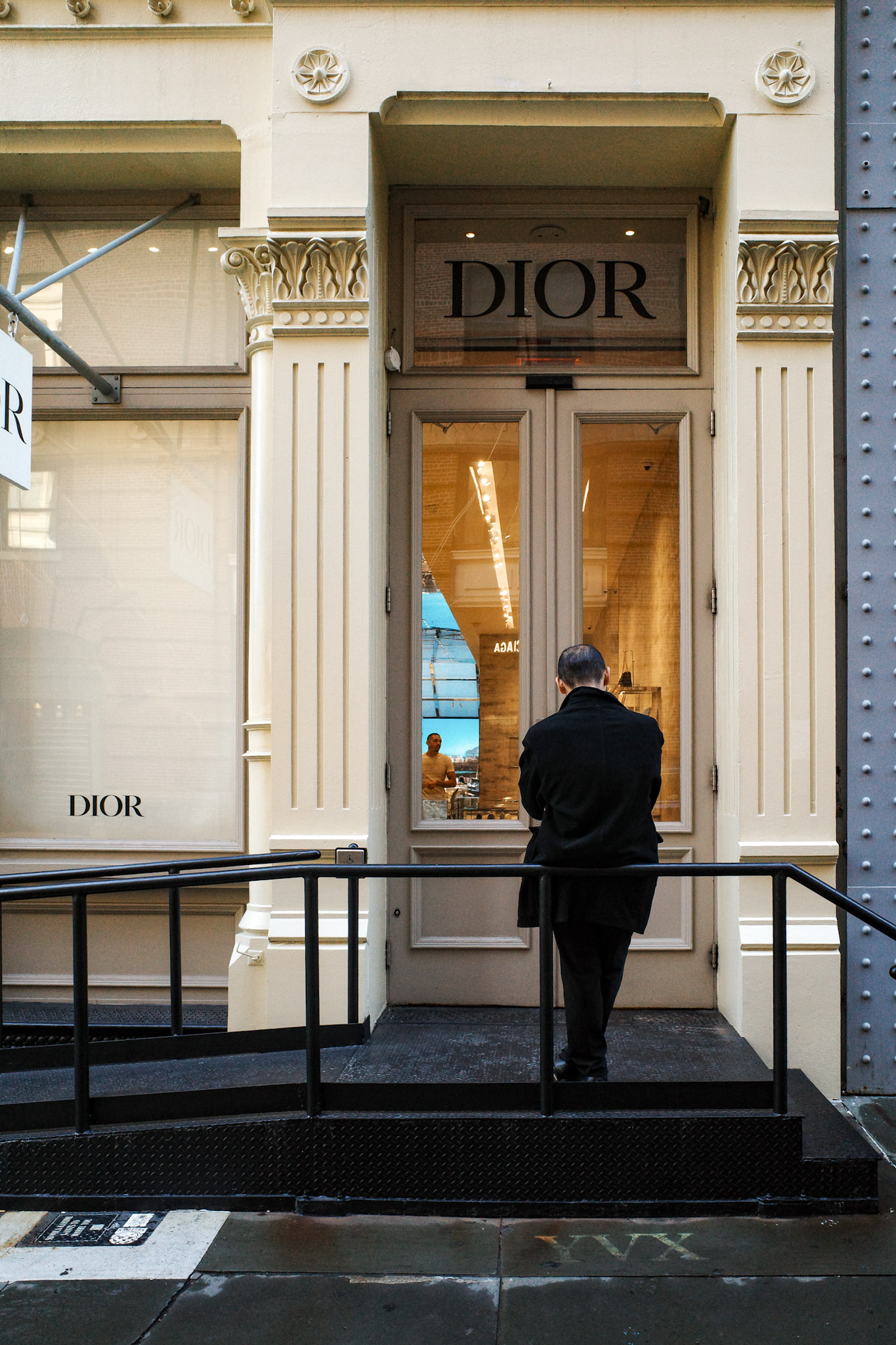

In the afternoon the light bounces off the pale facades and the shadows fall hard across the street. It is the kind of light that makes even a bus lane look good.
Into Tribeca
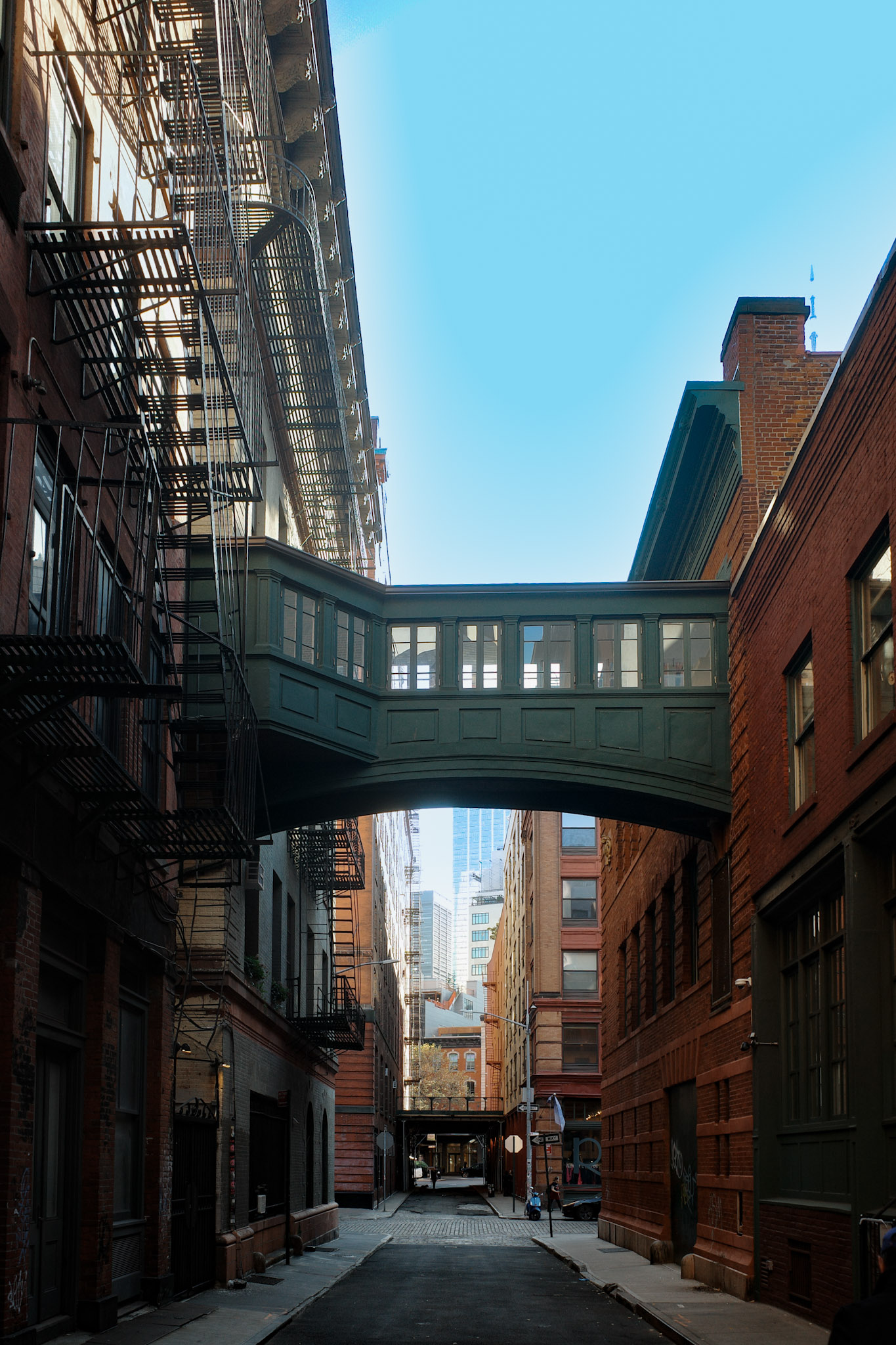
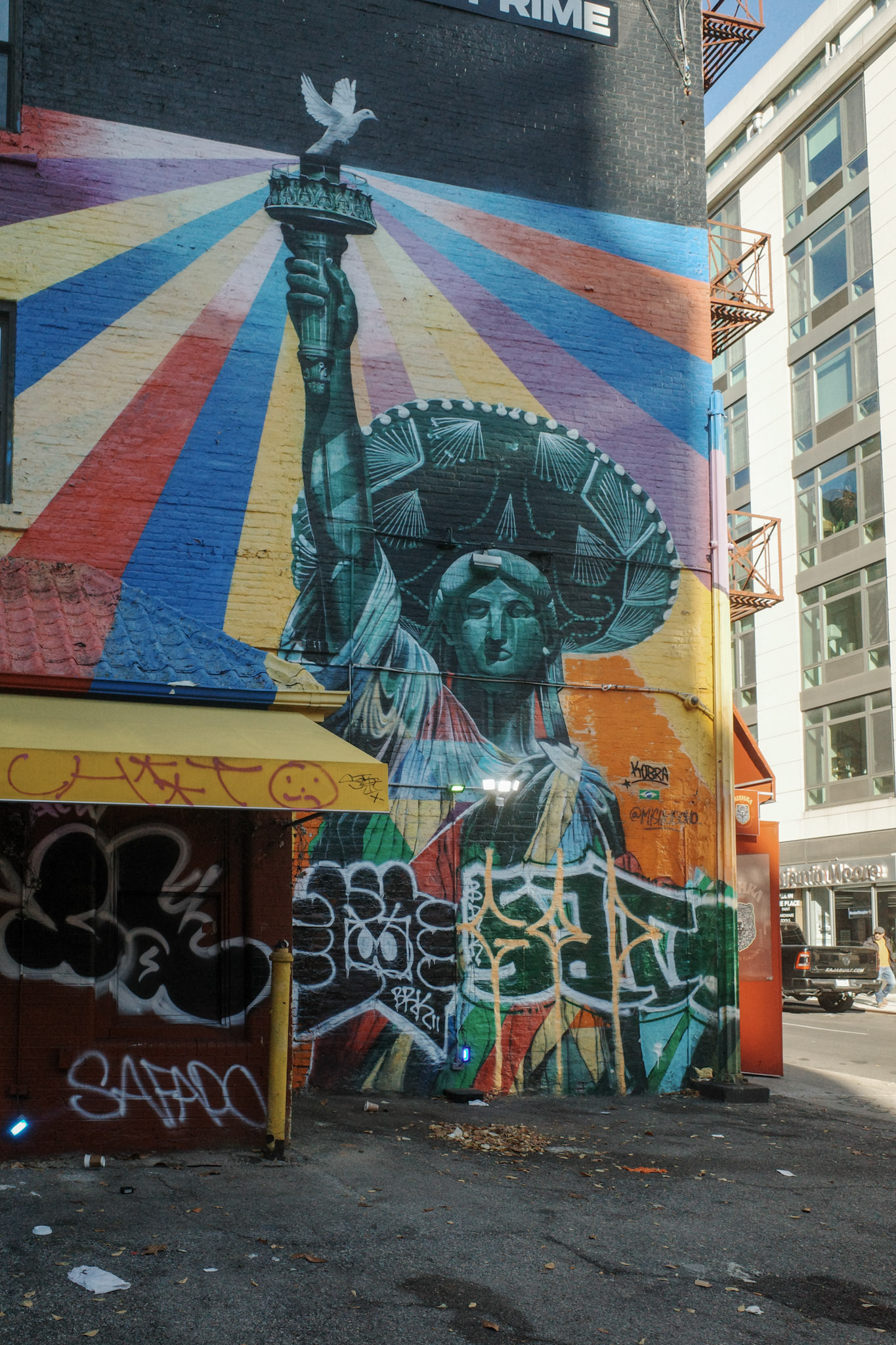

Just south of SoHo, Tribeca is quieter and grittier, with old warehouses and cobbled side streets. The skybridge over Staple Street is one of the most photographed spots in the neighbourhood, and murals and fire escapes fill the blocks around it.
Tips for Photographing SoHo and Tribeca
- Go in the Afternoon: The low sun lights up the cast iron facades and casts long shadows.
- Look Up: The best details are often above the shopfronts.
- Find the Cobbles: Greene Street and Mercer Street still have their old cobbles.
- Walk South to Tribeca: It is only a few minutes away and much quieter.
SoHo and Tribeca Then and Now
SoHo takes its name from its position South of Houston Street, and it has the largest collection of cast iron buildings anywhere in the world. Most were built in the second half of the nineteenth century as warehouses and factories, with ornate iron fronts that could be made quickly and cheaply. The Wikipedia article on SoHo tells the story of how the district was saved from demolition.
By the 1960s and 1970s many of the old buildings were empty, and artists moved into the large lofts. SoHo became the centre of the city’s art world, before galleries gave way to the flagship stores and boutiques you see today. The architecture is still the star though, especially along Greene Street and Broome Street.
Tribeca, the Triangle Below Canal Street, sits just to the south and is quieter, with cobbled streets, old warehouses turned into apartments and some of the most expensive homes in New York. The skybridge over Staple Street, linking two old hospital buildings, is one of its best known sights.
Both areas are easy to reach on the subway, and they are best explored on foot early in the day, before the shops open and the pavements fill up. Look up as you walk, because the details on the cast iron facades are what make SoHo so photogenic.
More from New York
For more from Manhattan, see the West Village, Chinatown, the Lower East Side and East Village and Midtown. You might also like the New York subway, Brooklyn, the shopfronts of New York and New York’s food.
If you would like one of these photographs as a print, get in touch.
